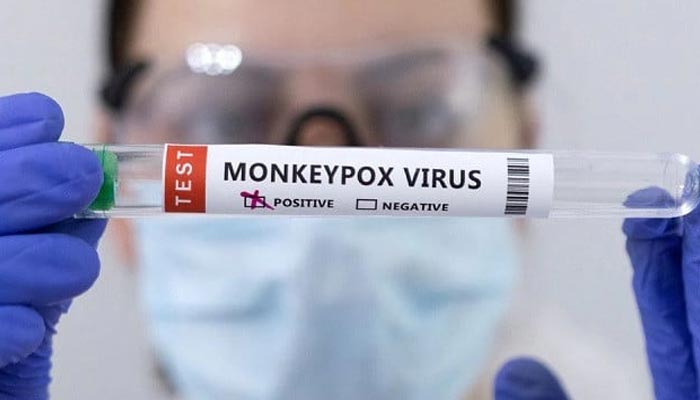

KARACHI – The provincial capital has recorded its second confirmed case of Monkeypox (Mpox) this year, sparking a high-alert response from the Sindh Health Department and medical experts. The latest case was confirmed by Dr. Fatima Mir, an Infectious Diseases specialist, who stated that the patient is currently receiving treatment at the Aga Khan University Hospital (AKUH). Beyond the metropolis, Dr. Mir revealed that investigations are ongoing into suspected cases in other parts of Sindh, particularly within the Khairpur belt, with some reports already suggesting positive results.
Clinical Symptoms and Transmission According to health experts, Mpox is a viral illness primarily transmitted through close skin-to-skin contact or, in certain cases, via respiratory droplets. Infected individuals typically develop painful skin rashes or blisters that start as spots and evolve into firm bubbles. Other common symptoms include high fever, body aches, and severe physical discomfort. Dr. Fatima Mir emphasized that while there is no specific cure for Mpox currently available in Pakistan, the treatment is symptomatic, focusing on managing fever, pain, and providing oxygen support in complicated cases.
Safety Precautions and Expert Advice For public safety, experts advise against touching infected patients without using gloves and masks, as direct contact poses a high risk of transmission. Dr. Mir urged the public to adopt preventive measures to curb the spread of the virus.
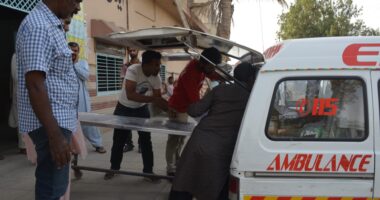
Government and WHO Response In response to the looming threat, the Sindh Health Department and the Director General (DG) Health Sindh have ordered the immediate establishment of Mpox Response Units in hospitals. Furthermore, 24/7 information desks have been mandated at all medical facilities, and mandatory coordination with Rescue 1122 has been established for swift action. The health authorities have also directed that HIV screening be conducted for all children suspected of having Mpox. To assist in containment, the World Health Organization (WHO) has offered vaccines for high-risk groups and frontline healthcare workers.