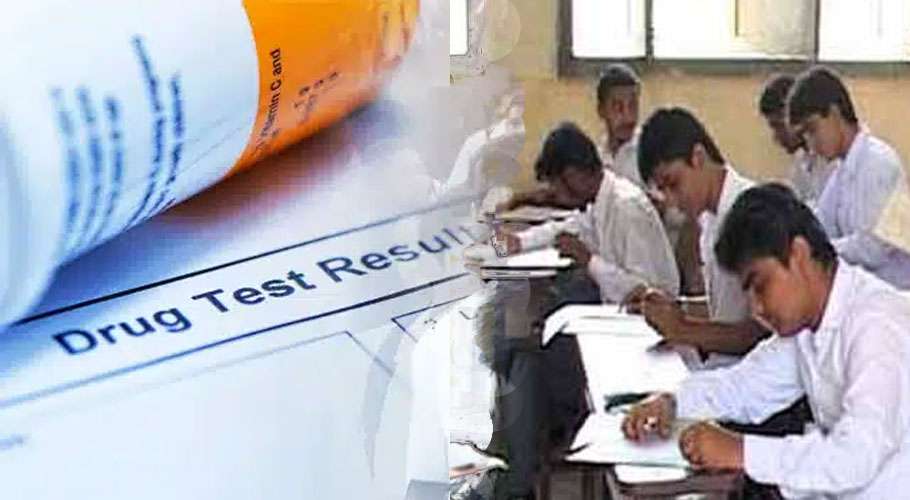

KARACHI: In a major move to curb the rising trend of substance abuse among youth, the Deputy Inspector General of Police (DIG) South, Syed Asad Raza, has drafted a comprehensive anti-drug policy titled “Protecting Youth, Securing the Future.” The draft has been sent to various schools, colleges, and universities in District South for consultation, feedback, and approval.
Key Highlights of the Draft Policy
Drug-Free Zones: The policy recommends declaring all educational institutions as “Drug-Free, Tobacco-Free, and Vape-Free Zones.” Student Screening: Student screening and drug testing can be conducted, but strictly with parental consent. In suspected cases, guidance, rehabilitation, and parental involvement will be mandatory. Anti-Drug Committees: The establishment of dedicated anti-drug committees in institutions, comprising principals, counselors, teachers, parents, and law enforcement representatives. Zero Tolerance & Searches: A zero-tolerance approach toward the sale, distribution, and advertisement of drugs. The draft also proposes allowing searches of students’ bags, lockers, and personal belongings within legal boundaries.
Rehabilitation Over Punishment
The policy emphasizes empathy and recovery over punitive action. A positive drug test will not be treated as a punishable offense initially; instead, it will be viewed as a welfare and rehabilitation issue to ensure timely help for affected students. Furthermore, strict privacy and data confidentiality of the students will be maintained.
Monitoring and Enforcement
Awareness Campaigns: Regular seminars, workshops, and lectures will be organized for students to raise awareness. Digital Vigilance: Special monitoring of drug supply chains operating through social media and online platforms. Police-School Coordination: Enhanced information-sharing between educational institutions and the police, coupled with an aggressive crackdown on drug peddlers operating around schools and colleges. Parental Declaration: Parents will be required to submit an anti-drug declaration form at the time of their child’s admission.
“The objective of this policy is not to punish students, but to ensure early identification, treatment, and rehabilitation, thereby securing a safe and healthy future for the younger generation.” — DIG South, Syed Asad Raza