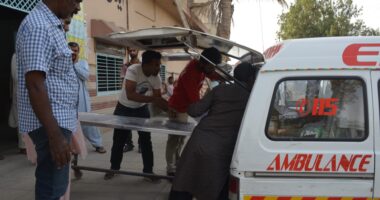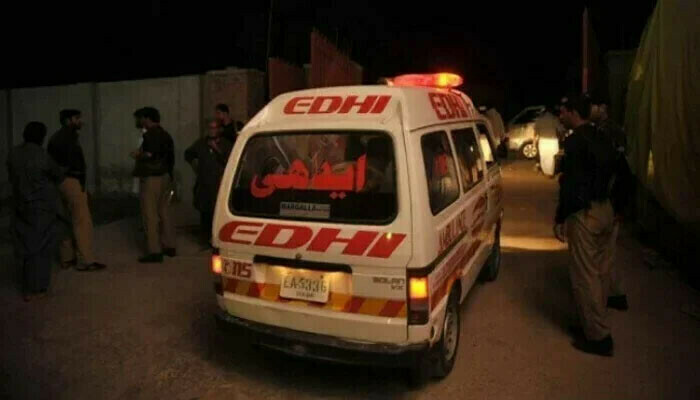

KARACHI: In a move that has sparked concerns among social welfare organizations, several ambulances belonging to major rescue services in Karachi have been issued dozens of e-challans totaling hundreds of thousands of rupees.
The Breakdown of Fines
Despite the dilapidated state of Karachi’s infrastructure and a lack of proper signage, the city’s e-tagging system has flagged numerous emergency vehicles. The Edhi Foundation and Chhipa Foundation have collectively received over 50 e-challans, while even the Sindh Government’s own Rescue 1122 was not spared and received at least one fine. The primary violation cited in the majority of these cases was the driver not wearing a seat belt.
Rescue Services’ Perspective
Representatives from these welfare organizations expressed deep concern, highlighting the practical difficulties faced by drivers during life-saving missions.
“In one instance in Clifton, an ambulance was fined while parked in a service lane to pick up an injured person. Most other fines occurred while patients were on board and the driver was racing against time to reach the hospital,” a spokesperson stated.
The organizations pointed out that worldwide, emergency services like ambulances and fire brigades are typically exempt from certain traffic penalties during active duty. They argued that during an emergency, a driver’s priority is the patient’s life, making it difficult to prioritize minor regulations. Furthermore, they noted that Karachi lacks dedicated lanes for emergency vehicles, as a trial lane in the Saddar area was reportedly scrapped just one day after its inception.
The Enforcement Paradox
While ambulances are being penalized, the system faces another challenge. Sources reveal that over 23,000 motorcyclists and car owners in the city have started tampering with or hiding their license plates to evade camera detection.
Official Stance
While the Director General of Rescue 1122 has instructed his drivers to strictly adhere to traffic laws, private welfare organizations are calling on the Sindh Government and Karachi Traffic Police to review the policy. They are demanding a formal exemption or a more nuanced approach for emergency vehicles to ensure that the fear of fines does not hinder life-saving operations.