
KARACHI: In a major move to standardize sanitation, the Sindh government has proposed three distinct operational models to extend the solid waste management system to all districts of the province, following its implementation in Karachi, Hyderabad, Larkana, and Sukkur.
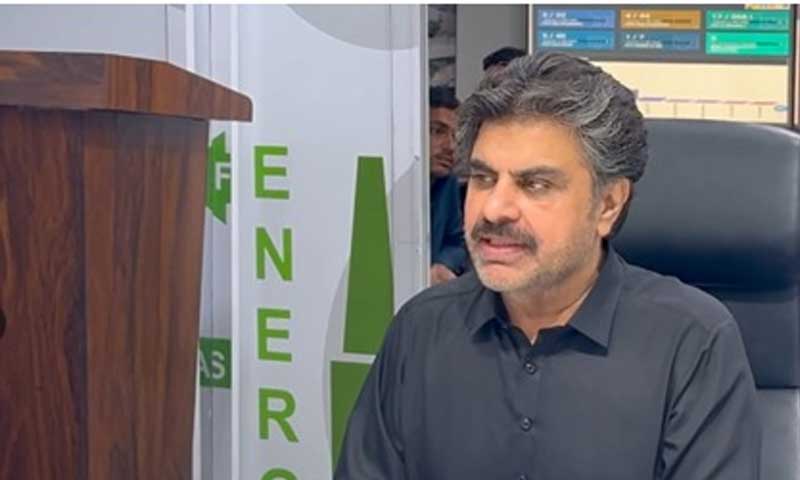
The proposals were discussed during a high-level meeting of the Sindh Solid Waste Management Board (SSWMB), chaired by Local Government Minister Syed Nasir Hussain Shah. The session focused on creating a modern, sustainable, and cost-effective framework for provincial cleanliness.
The Three Proposed Models
The Director of M&D briefed the attendees on three strategic options designed to suit different regional needs: the Hybrid Model, Hybrid Plus Model, and the Local Model. These models aim to involve local government bodies in planning and execution. By dividing tasks into smaller units, such as the Town level, the government intends to ensure better monitoring and operational efficiency.
Technical Integration and Monitoring
To ensure transparency, Town administrations will be provided with technical support through a modern Content Management System (CMS) for real-time monitoring. The proposed projects are slated for a duration of 3+1 or 4+1 years, allowing for periodic performance reviews and adjustments.
Landfill Sites and Carbon Credits
The meeting highlighted the allocation of land for scientific landfill sites across Sindh, including locations in Kashmore-Kandhkot, Larkana, Kot Diji, Nawabshah, Sehwan, Hyderabad (Malkiar), Umerkot, and Dhabeji. MD Solid Waste, Tariq Ali Nizamani, updated the chair that work on the Jam Chakro Landfill Site is progressing rapidly, with one cell already completed. Once fully operational as an engineered sanitary landfill, the project is expected to generate approximately $20 million in carbon credits, providing both environmental and economic benefits to the province.
Strict Enforcement
Minister Nasir Hussain Shah emphasized that providing a clean environment is the government’s top priority. He issued stern directives to take legal action against individuals dumping garbage in open spaces instead of designated bins. He also directed the police to intercept vehicles illegally dumping debris and instructed officials to finalize the models for presentation to the Chief Minister of Sindh for final approval.
“We are committed to making Sindh’s cities clean and environmentally safe through modern strategy and public cooperation,” the Minister stated.
Key Highlights
Expansion: Waste management systems to cover all Sindh districts. Innovation: Introduction of Hybrid and Local models for efficiency. Revenue: Projected $20M from carbon credits via engineered landfills. Tech: CMS-based monitoring at the Town level. Legal: Crackdown ordered on open littering and illegal debris dumping.