
Chia seeds are widely celebrated as a nutritional powerhouse packed with fiber, plant-based omega-3 fatty acids (ALA), protein, antioxidants, and essential minerals like calcium, magnesium, and phosphorus. A standard 28-gram serving (about two tablespoons) delivers roughly 9 to 10 grams of dietary fiber—accounting for nearly one-third of the recommended daily intake—making them exceptionally beneficial for weight management, digestion, heart health, and blood sugar regulation.
However, nutritionists issue a critical warning: never consume chia seeds dry or on their own. Because these seeds can absorb up to 10 to 12 times their weight in liquid, swallowing them dry creates a severe choking hazard and risks blockages in the digestive tract, which can potentially become life-threatening.
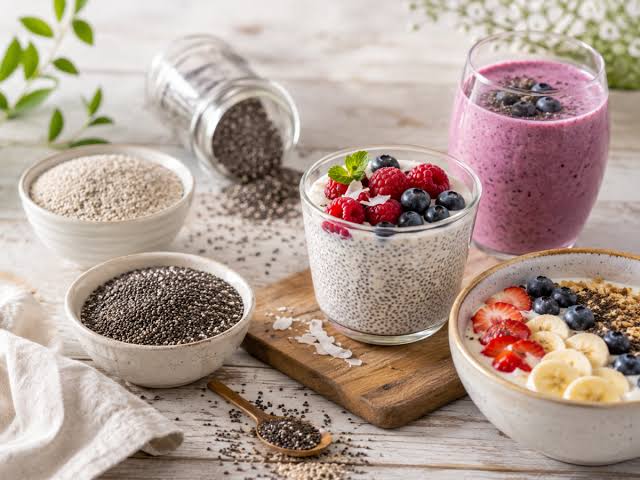
To safely unlock their nutritional benefits while avoiding health risks, experts recommend six proper consumption methods. You can prepare a chia seed pudding by soaking seeds in milk or almond milk for a few hours or overnight until they form a gelatinous texture, which slows digestion and helps prevent post-meal blood sugar spikes. You can also boost your nutrition by blending seeds into fruit or vegetable smoothies to increase fiber content and create a more filling beverage, or use a “chia egg” in baking by mixing one tablespoon of seeds with three tablespoons of water to form a binding gel substitute for eggs in muffins, pancakes, and breads.
Furthermore, you can easily stir seeds into warm porridge or overnight oats, combine them directly into yogurt, or sprinkle them onto hot and cold dishes as a meal topping, provided the liquid in these meals ensures they are adequately softened before ingestion. Additionally, experts note that while chia seeds are a great source of plant-based ALA omega-3s, the human body does not efficiently convert ALA into the EPA and DHA forms found in marine sources, meaning they should not be relied upon as the sole dietary source of omega-3 fatty acids.
(Note: This content is based on general nutritional insights and should not replace professional medical advice.)