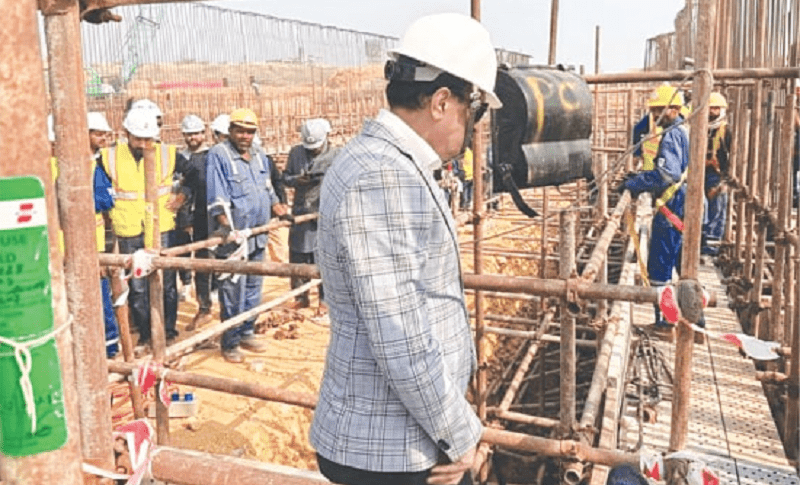

KARACHI: The K-IV water project, aimed at addressing Karachi’s chronic water shortage, is hit by another massive delay. Senior officials from the Karachi Water and Sewerage Corporation (KWSC) have confirmed that the project could take another two and a half to three years to complete. Alarmingly, the core phase of the project has not even commenced yet, and once it begins, major traffic arteries across the city are expected to face severe disruptions.
The Surging Cost of Delay
Financed jointly by the Federal Government, the Sindh Government, and international financial institutions, the K-IV project has become a textbook case of bureaucratic delays. Twelve years ago, the project was estimated to cost Rs 25 billion, but the current estimated cost has soared past Rs 200 billion. Officials warn that if the current pace of work continues, the total cost is projected to escalate even further.
Demand vs. Supply Crisis
Karachi currently faces a severe water crisis, where the total daily demand stands at 1.2 billion gallons while the current supply is restricted to just 650 million gallons. Despite a shortfall of nearly 550 million gallons, the K-IV project—conceived over 20 years ago to bridge this gap—remains in limbo due to shifting political regimes.
Missed Deadlines and Reality Check
Launched as a joint venture between the federal and provincial governments in 2014, the project was later handed over to WAPDA to expedite progress. However, multiple deadlines have been missed. While Federal Minister Ahsan Iqbal recently set a fresh deadline for December 2026, reliable sources and media reports indicate this target is highly unrealistic. Current estimates suggest the project will not see completion before January 2029.
The Real Challenge Ahead
The slow pace of the ongoing augmentation work highlights the gravity of the delay. The 2.7-kilometer pipeline stretch from NIPA Chowrangi to Hassan Square, which began in November 2025, is still incomplete.
“This is just the tip of the iceberg,” a source revealed. “The actual core work involves the R1, R2, and R3 main lines, which hasn’t even started. Shockingly, the contracts for these crucial phases have not even been awarded yet.”
These primary pipelines are designed to run through the heart of Karachi. Once the actual construction begins, major city highways will have to be excavated, which is expected to trigger massive traffic gridlocks across the metropolis before residents can finally receive the additional water supply.