
KARACHI: Karachi, Pakistan’s primary economic engine, is experiencing an alarming surge in homelessness, with unverified reports indicating that the population of displaced and inadequately housed individuals has crossed the 500,000 mark. Driven largely by compounding socio-economic pressures and continuous rural-to-urban migration from across the country, this crisis has intensified significantly over the past 25 to 30 years.
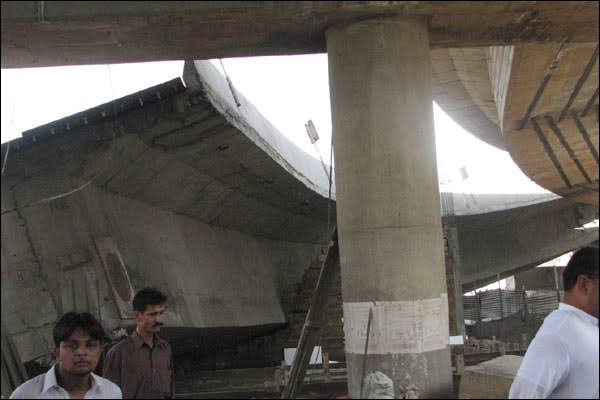
Displaced individuals increasingly inhabit the margins of the metropolis—sheltering beneath highway overpasses, along major thoroughfares, outside railway stations and hospitals, and within informal shack settlements. Experts attribute this escalating trend to rapid population growth that continues to outstrip municipal and national resources, leaving a vast demographic vulnerable. On a broader scale, global statistics highlight the severity of inadequate shelter, with international organizations estimating that 100 million people are homeless worldwide and one billion lack access to proper housing, a crisis mirrored domestically where over 25 million citizens reside in informal slums (katchi abadis).