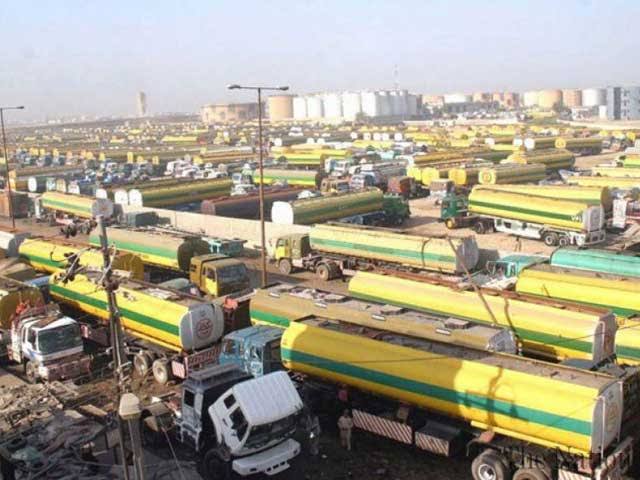

1. Nationwide Strike Threat: 72-Hour Ultimatum
The Pakistan Oil Tankers and Contractors have issued a strict 72-hour ultimatum to the government during a joint press conference in Karachi, warning that failure to meet their demands will lead to a nationwide wheel-jam strike. Transporters hold the Ministry of Petroleum and the Oil and Gas Regulatory Authority (OGRA) directly responsible for the escalating crisis. They expressed deep frustration over 1.5 years of ignored correspondence, including unanswered letters to Federal Minister Ali Pervaiz, which has ultimately forced them into taking aggressive protest action.
2. Freight Discrepancies and Pipeline Quotas
A major point of contention centers on severe financial pressures and unfair competition. While National Highway Authority (NHA) toll taxes have surged by 180% over the last three years, freight rates for oil tankers have remained completely stagnant. Furthermore, transporters strongly oppose the current distribution model, alleging that the White Oil Pipeline receives up to 80% of fuel transport instead of its designated quota. This practice leaves road transport vehicles stranded for months awaiting loads, prompt leaders to demand an immediate end to commercial loading abuses and a fair quota distribution.
3. Indefinite Fuel Strike and Supply Disruptions in KP
Compounding the national crisis, the Khyber Pakhtunkhwa (KP) Petroleum Association has initiated an indefinite strike, closing petrol pumps across several districts, including Lower Dir, Upper Dir, Swat, Chitral, Bajaur, Malakand, Shangla, and Buner. Led by General Secretary Behzad-ur-Rehman, KP dealers are demanding an immediate halt to the federal government’s daily fuel pricing formula and a long-overdue revision of dealer margins, which have been frozen for eight years. The sudden shutdown has paralyzed local public transport and created severe fuel shortages for everyday citizens across the region.