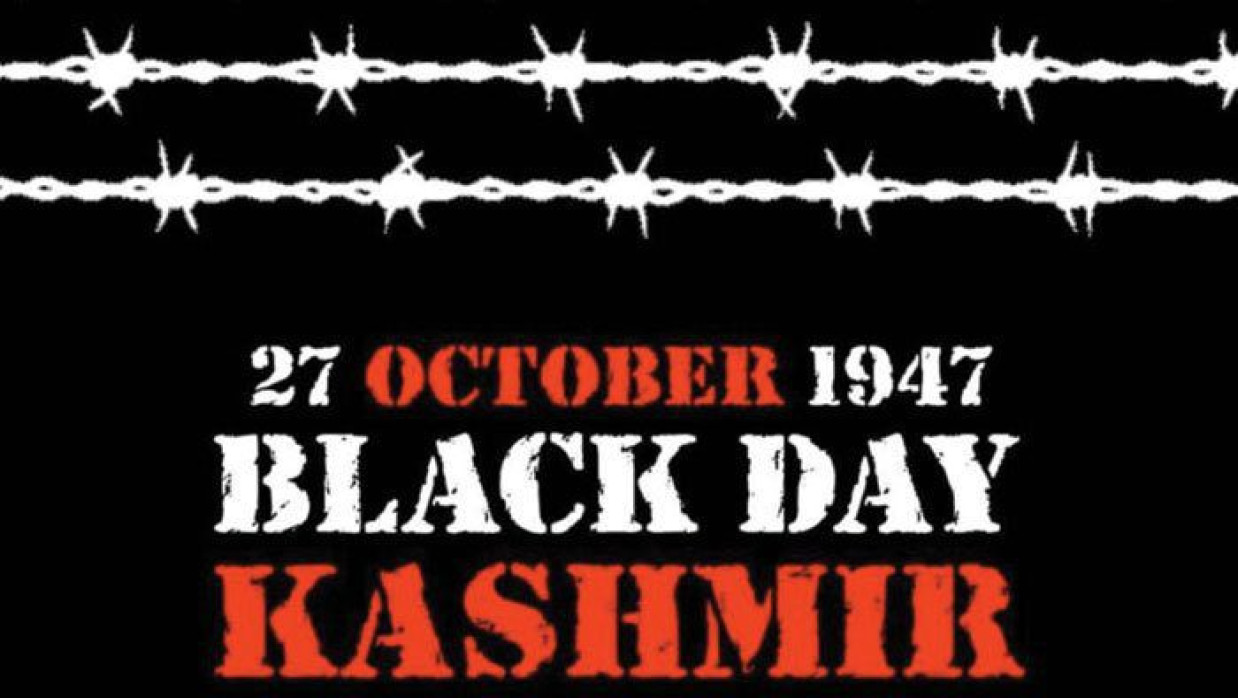
October 27, 1947, remains one of the most critical and tragic milestones in the history of Jammu and Kashmir. Following the partition of the subcontinent, controversial decisions made by Maharaja Hari Singh triggered a severe political crisis. On October 26, 1947, the Dogra ruler executed a disputed accession, leading to the immediate landing of Indian military forces in Srinagar the following day—an event widely viewed as the catalyst for the enduring Kashmir conflict.
Rejection and Political Impact
The accession was fundamentally rejected by the Pakistani leadership and Kashmiri representatives, who condemned it as a violation of the aspirations of the Kashmiri people. The unilateral military intervention effectively laid the groundwork for decades of geopolitical tension and regional instability.
The Human Aspect and UN Mandate
The Jammu and Kashmir dispute extends far beyond a geopolitical or military disagreement; it is a profound human rights issue centered on the Kashmiris’ fundamental right to self-determination and their generations-long sacrifices. Despite numerous United Nations Security Council resolutions affirming their right to choose their future, a sustainable resolution remains elusive.
Observance of Black Day
To highlight ongoing human rights concerns and register protest against state aggression, Kashmiris worldwide alongside Pakistan observe October 27 annually as “Black Day.” The day serves as a solemn reminder to the international community to honor its commitments toward a peaceful and just resolution in accordance with UN resolutions.