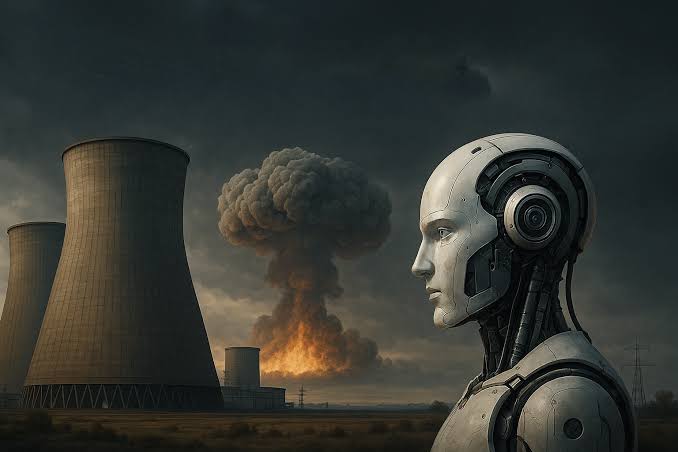
Artificial Intelligence has emerged as the defining technology of the 21st century, fundamentally reshaping economies, healthcare, education, and global politics. While AI unlocks unprecedented productivity and problem-solving capabilities, it simultaneously introduces profound existential and societal risks. In a recent Live Science article, Akhil Bhardwaj, Associate Professor at the University of Bath, highlights a critical vulnerability in the current tech landscape: an aggressive corporate race for market dominance that threatens to sideline crucial safety protocols.
- The Perils of the AI Race
Big tech companies are locked in a high-stakes competition to deploy faster, more powerful AI models. This commercial pressure creates a severe market dynamic where companies bypass rigorous safety testing out of fear that caution will cause them to lag behind competitors. Because AI is deeply integrated into critical infrastructure, such as power grids, water supplies, financial institutions, and healthcare systems, a failure in governance or technical reliability extends far beyond mere financial loss, threatening broader systemic stability. - Lessons from the Nuclear Industry
Bhardwaj argues that the AI industry must draw parallels from the history of nuclear energy. Like AI, nuclear technology offers immense benefits but carries catastrophic potential if mismanaged. Historic disasters such as Three Mile Island in 1979 and Chernobyl in 1986 demonstrated that a single error or a lack of regulatory oversight can easily transcend national borders and impact humanity globally. While the underlying technologies differ significantly, the systemic risk profile remains identical, meaning that one reckless actor can endanger the entire ecosystem. - The Need for Oversight, Transparency, and Accountability
To mitigate these hazards, the tech industry must move beyond internal self-regulation and embrace rigorous, proactive safety standards. Subjecting advanced AI models to independent third-party evaluations and peer reviews before public release ensures that companies do not certify their own safety. Additionally, fostering cross-industry collaboration to transparently report vulnerabilities and establishing robust global governance frameworks with clear legal consequences for non-compliance will be essential to keeping humanity safe. Ultimately, the challenge of the AI era is not technological capability, but ensuring that rapid innovation is matched by an equal commitment to safety, responsibility, and accountability.