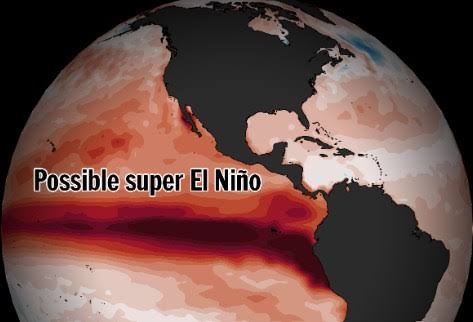

As erratic weather patterns, floods, and natural disruptions continue to batter both developed and developing nations, a chilling scientific consensus points toward 2027 as a potential breaking point for the global climate. According to UN Secretary-General António Guterres, the cyclical El Niño phenomenon has evolved into a mutated, highly aggressive “Super El Niño.” Fueled by Pacific Ocean water temperatures rising over 2°C, this system is projected to reach its peak intensity in early 2027, making it one of the most destructive climate events in recorded history.
Looking at the regional breakdown, meteorological forecasts warn that the Super El Niño will trigger catastrophic floods in East Africa and South America while plunging South Asia, Southeast Asia, Australia, and Southern Africa into severe droughts, much like the suppressed monsoon rains already felt in Pakistan and India this year. Concurrently, the World Meteorological Organization (WMO) notes an 86% probability that a year between now and 2030 will shatter 2024’s record as the hottest year ever, with 2027 standing out as the prime candidate for unprecedented heat.
Compounding these environmental shocks, the World Food Programme (WFP) issues a dire warning that the ultimate fallout could push an additional 49 million people into starvation by 2027, swelling the total number of food-insecure individuals across 45 countries to 274 million as vital rain-fed staples like corn and rice face critical failures.