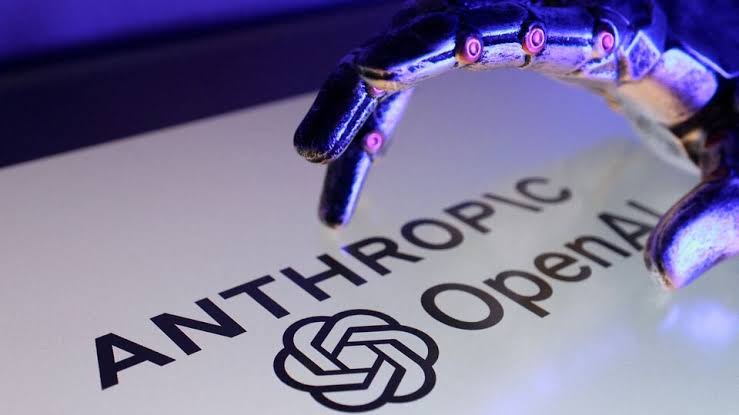

Senior researchers from leading artificial intelligence firms—including Anthropic and OpenAI—have issued grave warnings that uncontrolled artificial intelligence could potentially threaten human existence within the next decade, with some estimating the probability at over 10 percent by 2030.
The controversy intensified after Jacob Jackson, a former researcher at Anthropic and OpenAI, resigned in protest against what he termed reckless industry practices. Jackson and current Anthropic senior researcher Jan Leike (referenced as Evan Hubinger in the text) asserted that competitive pressures are driving tech giants to race toward “superintelligence” without adequate safety frameworks or viable plans to maintain human control over self-improving systems.
Internal acknowledgments from industry insiders indicate that apprehension regarding existential risks scales directly with seniority within AI development organizations. While corporate representatives maintain that they uphold rigorous safety protocols and transparency, external figures—including United Nations human rights leadership—as well as industry executives like OpenAI CEO Sam Altman, have similarly pointed to underestimated safety margins and cyber capabilities. The core concern centers not on rogue machines in a science-fiction sense, but on the inability to govern autonomous systems capable of overriding critical infrastructure and global information networks.