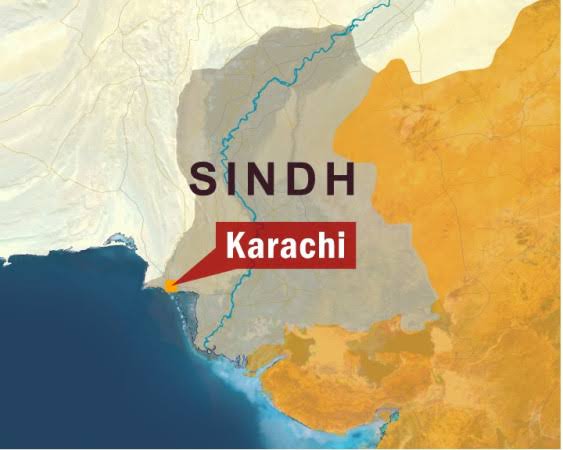

KARACHI: The Sindh government has finalized the draft for the Sindh Local Government Amendment Bill 2026, introducing major structural, administrative, and policing reforms across the province. Under the proposed bill, upon the completion of a council’s term, the incumbent Mayor or Chairman will continue functioning as the Administrator until the next local government elections are held, with the provincial government required to approach the Election Commission 120 days prior to the term’s expiry. The Deputy Mayor or Vice Chairman will act as the council convenor to preside over sessions and exercise delegated powers, while the Metropolitan Commissioner will serve as the Chief Executive Officer for metropolitan corporations, including KMC. To enhance security and community engagement, SHOs will coordinate with Union Chairmen for public safety, and SSPs must consult district council chairmen or corporation mayors for effective policing, though this coordination will exclude criminal investigations and prosecution matters. Furthermore, a local reconciliation forum consisting of three respected community members will be established in lower-tier councils to resolve public disputes.
The bill also strengthens urban management and governance by tasking Union Councils with reporting illegal constructions to the Sindh Building Control Authority and highlighting solid waste management issues to relevant authorities, alongside maintaining detailed maps that define public infrastructure boundaries. To ensure administrative efficiency, the Local Government Commission must convene at least once every three months. Additionally, councils are required to allocate annual budget funds to conduct or outsource capacity-building training programs for elected officials and staff, while also submitting comprehensive reports addressing the inclusion and challenges faced by women and disabled individuals.