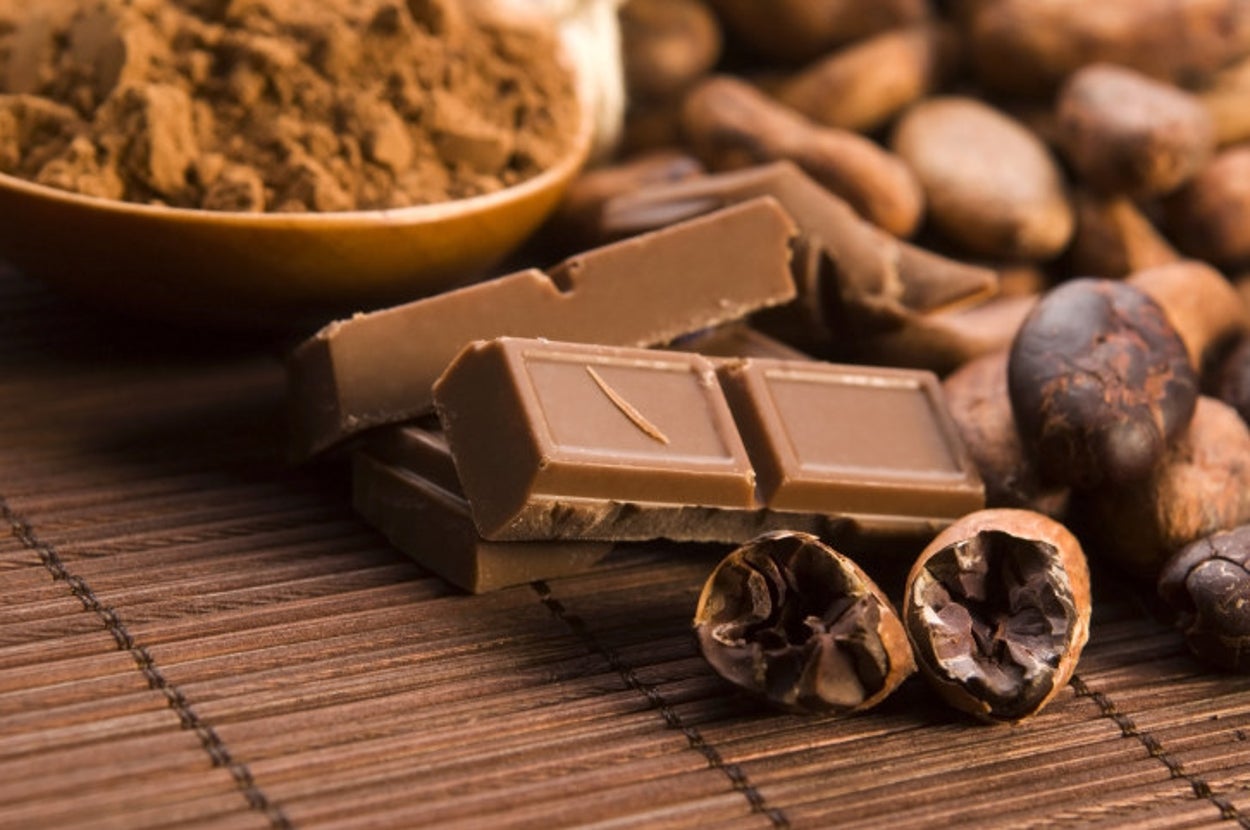

Chocolate is globally adored, but its rich history and intricate production process hold secrets that many are unaware of. From serving as ancient currency to breaking world records, here is a professional breakdown of the most fascinating facts about everyone’s favorite sweet treat.
From Cash to Cocoa: When Chocolate Was Currency
In ancient civilizations, cocoa beans were considered so valuable that they functioned as an official currency to purchase food, clothing, and other essential goods. Historians note that the economic value of these beans was remarkably high; for instance, a trader could purchase an entire turkey in exchange for just 100 cocoa beans.
Rooted in Wonder: The Peculiar Growth of Cocoa Pods
The botanical nature of the cacao tree defies typical fruit-bearing patterns. Instead of hanging from thin, peripheral branches, cocoa pods grow directly on the main trunk and thick, sturdy branches of the tree. Each of these unique pods typically houses between 20 to 60 beans, which serves as the raw foundation for chocolate production.
The 400-Bean Bar: The Labors of Luxury
The journey from tree to chocolate bar is incredibly labor-intensive and resource-heavy. Producing just a single, standard-sized chocolate bar requires approximately 400 cocoa beans. Every single bean must go through a meticulous manual process that includes being harvested by hand, fermented, sun-dried, and roasted through various precise stages.
Perfect Chemistry: Why Chocolate Melts on Your Tongue
The luxurious sensation of eating chocolate is rooted in a fascinating scientific property: its melting point is slightly below average human body temperature. Because of this precise physical characteristic, chocolate remains solid at room temperature but instantly transforms into a smooth, velvety liquid the moment it touches your tongue.
The White Chocolate Paradox: Cocoa Without the Solid
Purists often debate the identity of white chocolate, and scientifically speaking, it isn’t technically chocolate at all. While it is formulated using cocoa butter, milk, and sugar, it completely lacks the cocoa solids found in dark or milk varieties. This absence of solid cocoa is the exact reason why its flavor profile and ivory color are so distinctly different from traditional chocolate.
A Dynamic Bouquet: Decoding Chocolate’s 600 Flavor Notes
Chocolate possesses an incredibly complex chemical structure, boasting over 600 natural aromatic flavor compounds. This rich molecular profile is far more intricate than many other foods, allowing culinary connoisseurs to detect a wide array of subtle, organic notes ranging from nuts and coffee to flowers, fruits, and earthy undertones.
The Bitter Roots: Chocolate’s Spicy Origins as a Beverage
For the majority of its early history, chocolate was consumed strictly as a beverage rather than a solid confection. This ancient drink was a far cry from modern hot chocolate; it was a bitter, pungent, and highly potent liquid concocted from ground cocoa beans, water, chili peppers, and various native herbs and spices.
The 5-Ton Wonder: A Record-Breaking Chocolate Feat
To celebrate the global impact of the confectionary industry and secure a spot in history, chocolatiers once crafted the largest chocolate bar the world has ever seen. Weighing in at an astonishing 5,000 kilograms—equivalent to the combined weight of several full-grown elephants—this monumental creation was designed to showcase the ultimate scale of chocolate artistry.