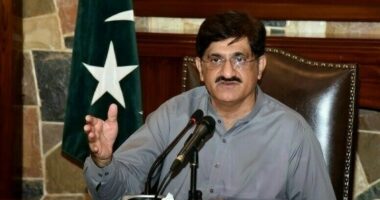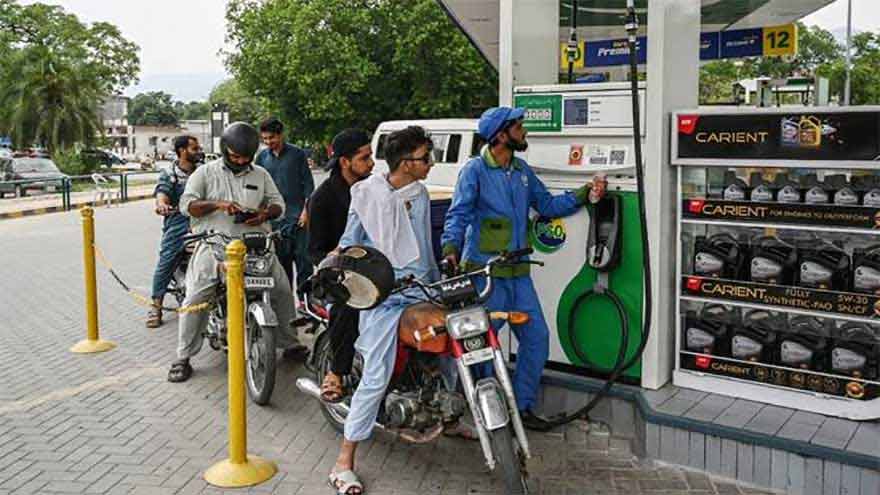
KARACHI – Senior Provincial Minister Sharjeel Inam Memon announced that Sindh has become the first province to provide fuel subsidies for private bus passengers and motorcyclists, aiming to alleviate the financial burden caused by rising global oil prices. Addressing a press conference alongside Excise Minister Mukesh Kumar Chawla, Memon detailed the provincial government’s PKR 35 billion subsidy package.
Regarding the relief measures, farmers holding up to 25 acres of land have already started receiving PKR 1,500 per acre. For motorcyclists, approximately 6.7 million eligible individuals will receive PKR 2,000 per account. Minister Mukesh Kumar Chawla confirmed that over 15,000 people applied for the subsidy within 24 hours, and despite initial server issues, PKR 5.6 million has already been disbursed to 2,800 individuals via Sindh Bank accounts. The government also clarified that there is no fee for motorcycle registration to encourage owners to update their records. Sharjeel Memon stated that while the federal government was forced to increase petrol prices due to the regional conflict, the Sindh government is committed to shielding its citizens from this inflation.
The ministers also highlighted significant achievements in provincial security and anti-smuggling operations. Acting on a tip-off from Naval Intelligence, authorities seized over 500 kg of Ice (Crystal Meth) valued at more than PKR 5 billion. Additionally, recent raids in Jacobabad and Shikarpur led to the recovery of high-value liquor worth billions and significant quantities of Charas. These operations were successful due to the joint efforts of the Sindh Police, Excise Department, and the Pakistan Navy.
Touching upon the potential early closure of markets, Memon noted that the business community remains divided. While the government acknowledges that Karachi contributes the highest tax revenue, no final decision has been made. He emphasized that the government has no objection if traders reach a consensus, as the priority remains protecting the livelihoods of millions of workers in the hospitality and retail sectors.