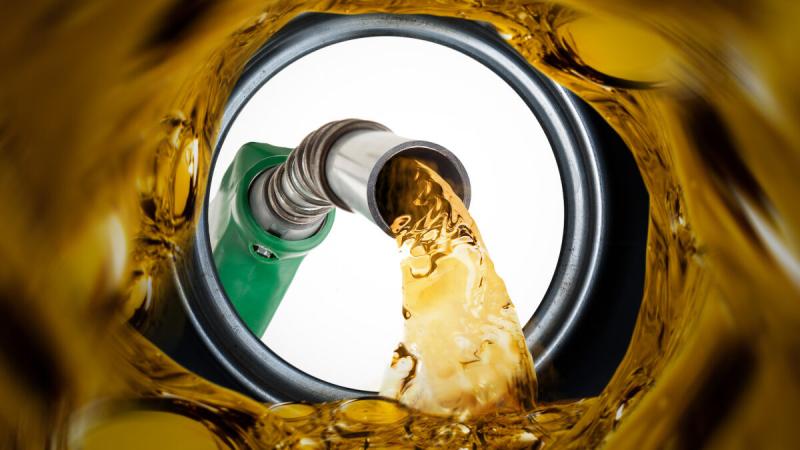
Despite a sharp decline in international oil prices, the federal government has denied direct relief to the public by maintaining the current domestic rates of petrol and High-Speed Diesel (HSD) for the upcoming week. This decision has sparked an intense public debate, fueled primarily by data shared on social media by Minister of State for Petroleum, Ali Pervaiz Malik. The Minister’s own charts revealed that between June 22 and June 26, international petrol prices plummeted by $6.67, dropping from $98.35 to $91.68 per barrel, while global HSD prices fell from $109.09 to $104.79 per barrel. Instead of passing these substantial international savings on to consumers, the government chose to absorb the financial margin by increasing the Petroleum Levy.
According to sources within the Petroleum Division, the levy on HSD was aggressively hiked by Rs. 6.57 per liter, bringing the total levy to Rs. 79.54 per liter, while the petrol levy saw a minor increase of Rs. 0.39, setting it at Rs. 66.64 per liter. Consequently, consumer prices for petrol and HSD have been frozen at Rs. 299.50 and Rs. 311.47 per liter, respectively. While major fuels remained locked, the government did provide minor relief in other sectors, reducing the price of Kerosene oil by Rs. 6.85 to settle at Rs. 227.05 per liter—with its levy remaining unchanged at Rs. 20.36—and slashing Jet Fuel (JP-1) by Rs. 7.15 to fix its new price at Rs. 231.72 per liter to help ease airlines’ operational costs.
Defending the strategy, Minister Ali Pervaiz Malik emphasized that the government is balancing its international commitments without placing unfair burdens on any single sector. He reiterated the administration’s long-term commitment to public relief, highlighting that under Prime Minister Shehbaz Sharif’s tenure, the government has already delivered cumulative price reductions of Rs. 200 per liter on HSD and Rs. 155 per liter on petrol.