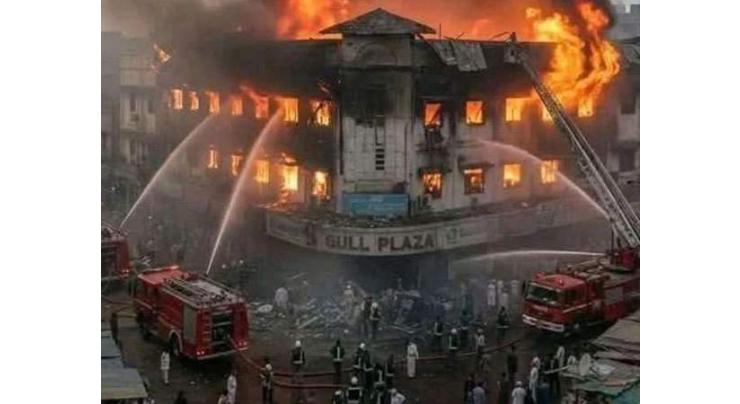

KARACHI: The Commissioner of Karachi has submitted a comprehensive 21-page inquiry report to the Sindh Government regarding the devastating Gul Plaza fire, uncovering startling details about the cause of the blaze and systemic failures in rescue operations.
The Cause: A Tragic Accident
According to the report, the fire originated at 10:15 PM in a flower and gift shop. The investigation revealed that an 11-year-old boy lit a matchstick, which ignited highly flammable artificial flowers. The flames spread rapidly, engulfing the entire building within minutes. While the watchman disconnected the power five minutes after the fire started, the building’s unsafe electrical wiring further intensified the blaze.
Delayed Response and Resource Scarcity
The report highlights significant delays in the emergency response:
- Fire Brigade: The first KMC fire tender arrived at 10:40 PM—25 minutes after the fire started. A second tender followed at 10:49 PM.
- Rescue 1122: Teams reached the site at 10:53 PM.
- Water Crisis: Despite the fire being declared “Third-Degree” by 10:55 PM, the first water bowser arrived nearly an hour later at 11:53 PM. Continuous water supply was only established after midnight.
- Equipment Lack: Firefighters lacked proper safety gear, and rescue teams did not have metal cutters to break iron grills on the mezzanine floor, trapping many victims inside.
Illegal Structural Modifications
The inquiry made shocking revelations about the building’s integrity. It was found that the approved building plan was flagrantly violated:
- Shop Count: Increased from 1,102 to 1,153 shops.
- Exits: The number of entry/exit points was reduced from 18 to just 13.
- Passageways: Staircase widths were significantly reduced, and smoke-filled corridors became death traps as clear exit markings were non-existent.
Casualties and Identification
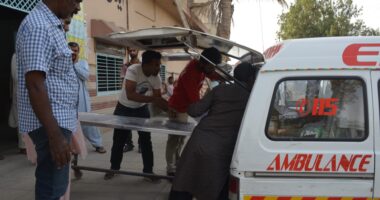
The report confirms a grim toll. Initially, 79 people were reported missing. While six bodies were recovered early on, the remains of the other 73 individuals were later retrieved. To identify the victims, 56 DNA samples have been collected from grieving family members.
Administrative Failure
The commission noted that while fire audits were conducted in the past, there was zero follow-up. Reports from Civil Defense and district administration remained “confined to files.”
The committee has recommended an urgent upgrade of the Fire Brigade’s capacity and strict action against those responsible for illegal structural changes, though it stopped short of naming specific individuals or institutions for direct criminal liability in this report.